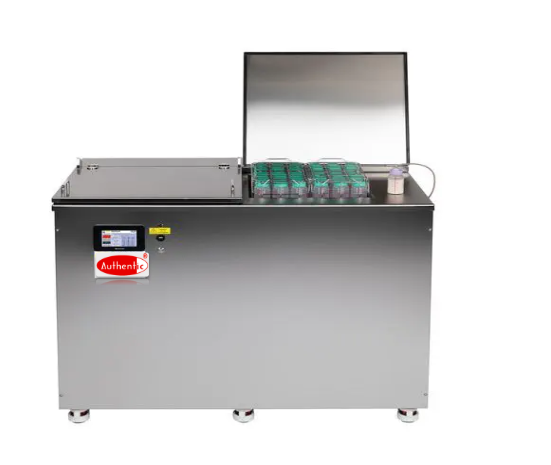

- Capacity: Variable capacities to accommodate different volumes of milk, ranging from small-scale units for individual use to larger ones for milk banks.
- Temperature Control: Precise temperature control mechanisms to ensure pasteurization at the recommended temperature, usually around 62.5°C (144.5°F) for 30 minutes, followed by rapid cooling.
- Safety Features: Safety interlocks and alarms to prevent overheating and ensure the pasteurization process is conducted safely.
- Material: Constructed from durable, food-grade materials such as stainless steel, ensuring hygiene and easy cleaning.
- Automation: Automated or programmable control systems for consistent pasteurization cycles and ease of operation.
- Monitoring: Temperature monitoring and recording capabilities to track and document pasteurization processes for quality control and regulatory compliance.
- Portability: Some models may feature compact designs or wheels for easy movement within the facility.
Energy Efficiency: Efficient heating and cooling systems to minimize energy consumption and operating costs.